



Typing “best facelift surgeon in Turkey” into Google is easy. Deciding who should actually operate on your face is much harder.
Most patients reach this search after they have already spent weeks looking at before-and-after photographs, reading clinic reviews and comparing techniques such as deep plane, SMAS and endoscopic facelift surgery. At that point, the problem is rarely a lack of information. The problem is knowing which information matters.
A facelift is not a product that can be judged by a single photograph, a price list or a fashionable technique name. The right surgeon for one patient may not be the right surgeon for another. Facial anatomy, the areas that have aged, previous treatments, skin quality and the result you want all influence the plan.
So rather than trying to find a universal ranking of surgeons, it is more useful to know what separates a thoughtful facelift consultation from a sales conversation. The nine points below are the ones worth comparing.
If you are still at the stage of understanding the operation itself, read the clinic’s facelift surgery in Istanbul page first. Then come back to this guide and use it as a checklist when you compare surgeons.
1. Look for a Surgeon Who Actually Focuses on Facial Surgery
A plastic surgeon can be fully trained and still have a clinical practice that is concentrated in a different area. That is why “plastic surgeon” and “facelift surgeon” are not automatically the same thing in practical terms.
When your main concern is facial ageing, look at how much of the surgeon’s visible work, teaching, publications and case discussions are genuinely related to the face. A surgeon who regularly plans facelifts should be able to talk comfortably about the lower face, jawline, neck, midface and eyelids as connected parts of the same ageing pattern.
This matters because a facelift does not exist in isolation. Sometimes the jawline is the main problem. Sometimes it is the neck. In another patient, the lower face may be relatively good while the midface or eye area is creating the tired look.
The consultation should make it clear that the surgeon is looking at your face, not fitting your face into a standard operation.
2. Ask What Facelift Techniques the Surgeon Uses – and Why
Patients often arrive with a technique already in mind. Deep plane facelift is currently one of the most searched terms in facial rejuvenation, and for some patients it can be an appropriate option.
That does not mean it is automatically the best operation for every face.
Modern facelift surgery includes several approaches to the deeper facial tissues. Published reviews continue to show that both deep-plane and SMAS-based techniques can produce strong outcomes, while the choice of technique should be individualised rather than treated as a marketing hierarchy.
If you are specifically researching deeper-tissue surgery, you can also review deep plane facelift in Istanbul. For patients with a different ageing pattern, an endoscopic facelift in Istanbul may be discussed instead.
A good sign is not that a surgeon always recommends the same technique. A good sign is that the surgeon can explain why a particular approach fits your anatomy.
3. Study Before-and-After Photographs as a Whole, Not Detail by Detail
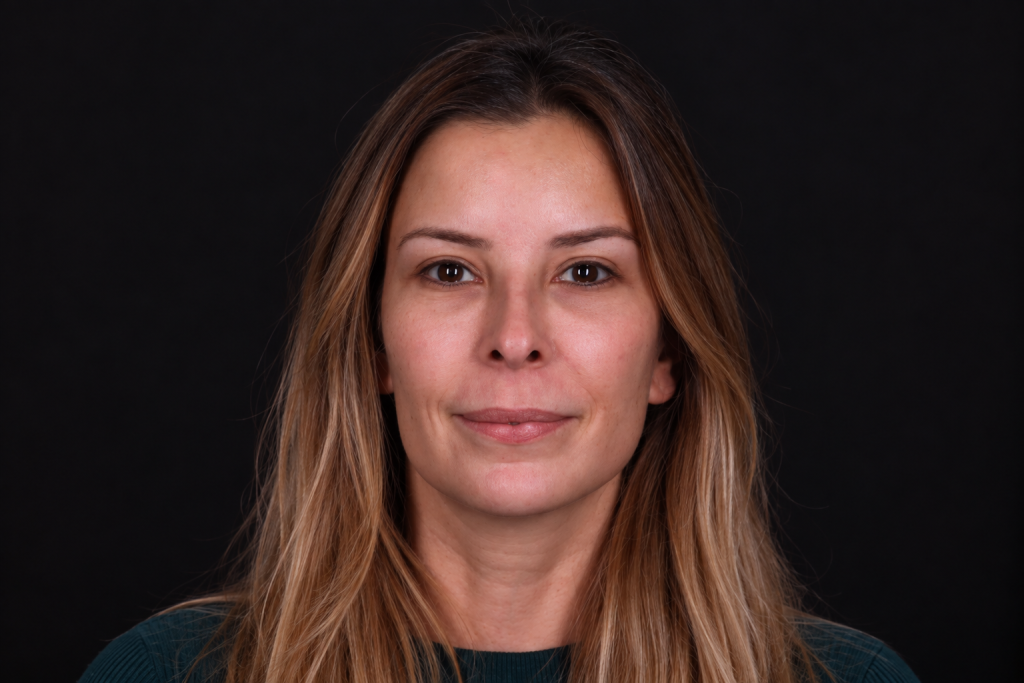
Before-and-after photographs are useful, but what matters most is the overall impression rather than isolated details.
Try to find patients with facial features and ageing patterns that resemble yours. Instead of examining every small change individually, focus on how the face looks as a whole. Does the result appear natural, balanced and harmonious? Does the patient still look like themselves, with their individual facial characteristics and expressions preserved?
Consistency is more informative than one dramatic case. Look for results that reflect a natural and balanced approach across different patients. Keep in mind that differences in lighting, angles, makeup or facial expressions can influence how results appear in photographs.
It is also reasonable to ask when the postoperative photographs were taken. Early swelling can temporarily affect the overall appearance, while facial tissues continue to settle and results evolve over time.
4. Notice Whether the Consultation Is About You or About the Procedure
One of the clearest differences between a medical consultation and a sales conversation is the direction of the questions.
A serious facelift consultation should include your medical history, previous facial procedures, smoking status, medications, concerns and expectations. The surgeon should also ask what you do not want. For many patients, preserving expression and avoiding an over-operated appearance is just as important as correcting jowls or loose skin.
You should leave the consultation understanding which areas are actually being treated and which areas are not.
If every patient is offered the same package within a few minutes, there is little room for genuinely personalised facial planning.
5. Ask Whether the Neck, Midface or Eyelids Need Separate Planning
The word “facelift” can create the impression that one operation fixes the entire face. In reality, different areas age in different ways.
The important point is not to collect as many procedures as possible. It is to understand which areas are driving the appearance that bothers you.
A patient whose main problem is the cheek and lower-eyelid transition may need a different discussion from someone whose main concern is the jawline. In selected cases, midface lift surgery may be relevant. If laxity beneath the chin or along the neckline is prominent, neck lift surgery may also be part of the conversation.
6. Compare the Surgeon’s Training, Teaching and Professional Activity
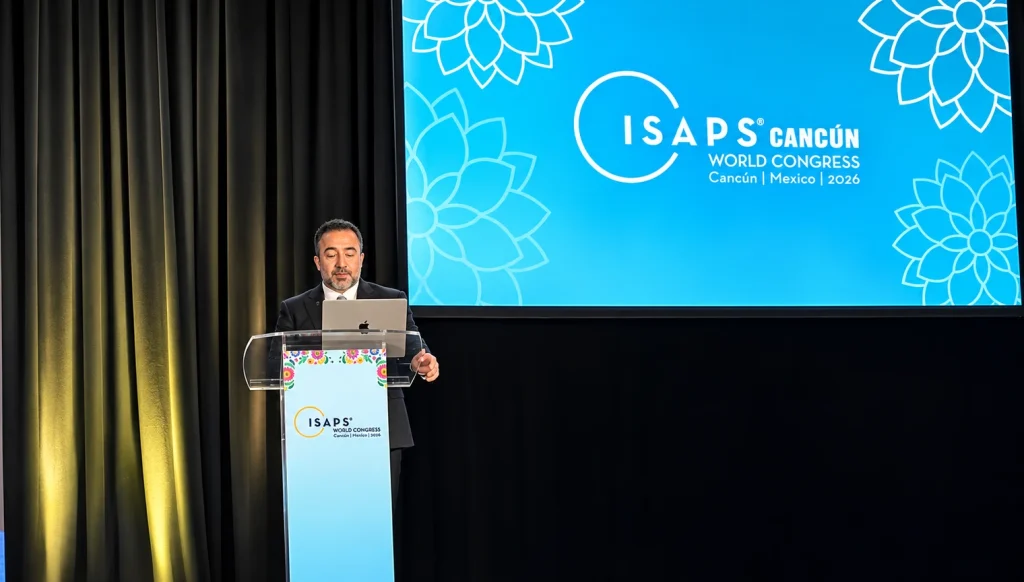
A website biography should give you more than a list of logos. Look for a clear medical education history, specialist training, professional memberships, scientific work and continuing education that can be understood in context.
Teaching and congress activity can also be useful signals, particularly when they relate to the procedure you are considering. They do not guarantee a particular result, but they help you understand whether the surgeon is actively engaged with the field rather than simply offering the operation.
Patients considering Dr. Metin Kerem can review Dr. Metin Kerem’s background, which includes his plastic surgery training, EBOPRAS qualification, international memberships, publications and facelift-related congress and teaching activity.
7. Ask How Recovery Is Planned for International Patients
A facelift does not end when you leave the operating room. For an international patient, recovery planning is part of the treatment itself.
Ask when the first postoperative checks are planned, how long the surgeon expects you to remain in Istanbul and what the follow-up process looks like after you return home. You should also understand who you contact if something concerns you during the early healing period.
Avoid organising surgery around a rigid promise such as “you will be completely normal in seven days”. Swelling, bruising, tightness and temporary sensory changes can vary considerably between patients and between procedures.
Your travel plans should fit your operation, not force the operation into a pre-booked travel schedule.
8. Do Not Choose a Surgeon From Price Alone
Price matters. It is part of almost every international patient’s decision. But it is a poor tool for deciding between surgeons when it is viewed on its own.
Two facelift quotes may describe very different operations. One may involve the lower face only; another may include the neck. One may be a primary operation; another may be revision surgery. Anaesthesia, operating time and postoperative care can also differ.
The surgeon’s experience, expertise and proficiency in specific facelift techniques may also influence pricing. Years of surgical practice, advanced training and experience with complex facial procedures are important factors to consider when evaluating the overall value of a surgical plan.
Instead of asking which quote is cheapest, ask what the quote actually represents.
A transparent plan should make it clear what procedure is being proposed and what follow-up is expected. A price only becomes meaningful once those details, along with the surgeon’s qualifications and experience, are understood.
9. Choose the Surgeon Whose Plan Makes Sense to You
The best consultation is not necessarily the one that promises the biggest change. Often, it is the one that gives you the clearest explanation.
By the end of the discussion, you should know what the surgeon sees, what can realistically be improved, where the incisions are expected to be, what recovery is likely to involve and why that particular technique has been recommended.
You should also feel comfortable asking the surgeon to explain something again. Facial surgery is a significant decision, and feeling rushed is a poor basis for consent.
A good plan should sound specific to your face. If it could have been given to almost anyone, keep asking questions.
Is Deep Plane Facelift Always the Best Choice?
No single facelift technique is automatically superior for every patient. Deep plane surgery has become highly visible online, but current comparative research does not support treating one method as universally better in every situation.
Different techniques work at different tissue levels and can be useful for different ageing patterns.
The surgeon’s assessment, experience with the selected approach and the match between the technique and the patient’s anatomy matter more than the popularity of the name.
If a clinic tells every patient that one technique is the only modern or natural option, that is worth questioning.
What Should You Ask a Facelift Surgeon During an Online Consultation?
- Which areas of my face are creating the ageing pattern I am seeing?
- Do I need a full facelift, a more limited approach or treatment of another area?
- Which facelift technique would you recommend for me, and why?
- Would my neck need to be treated at the same time?
- Are there previous treatments or fillers that could affect the surgical plan?
- What type of result would be realistic for my anatomy?
- Where are the incisions likely to be placed?
- What should I expect during the first two weeks of recovery?
- How long should I remain in Istanbul before travelling home?
- How will follow-up work after I return to my country?
Why Patients Consider Istanbul for Facelift Surgery
Istanbul has become a major destination for international aesthetic surgery, which gives patients access to a wide choice of surgeons and techniques. The disadvantage of having so many options is that marketing can start to look very similar from one clinic to another.
That is why the surgeon-selection process matters. Compare clinical focus, communication, technique, follow-up and whether the plan feels individual. Do not let a package price or a social-media trend make the decision for you.
For patients travelling from the UK, United States, Canada, Australia or Europe, a well-organised first consultation can answer most of the important questions before a flight is booked.
Considering Dr. Metin Kerem for Facelift Surgery in Istanbul?
Dr. Metin Kerem is a plastic surgeon based in Etiler, Istanbul, with a clinical and educational focus that includes facial rejuvenation. His published profile includes EBOPRAS qualification, membership in international plastic surgery organisations, advanced facelift training and teaching activity in facial surgery.
If you are comparing surgeons and would like to understand which approach may fit your own face, you can first review the facelift surgery in Istanbul page and then request an online consultation.
The purpose of the consultation is not to decide that every patient needs a facelift. It is to determine whether surgery is appropriate, which areas should be treated and which technique makes sense for the individual face.
Frequently Asked Questions
Who is the best facelift surgeon in Turkey?
There is no objective surgeon who is “best” for every patient. A better comparison looks at facial-surgery experience, training, before-and-after cases, consultation quality, technique selection and follow-up. The surgeon should be able to explain why the proposed operation fits your anatomy.
Is a deep plane facelift better than a SMAS facelift?
Not for every patient. Both deep-plane and SMAS-based techniques are established approaches.
Current comparative reviews support individualised technique selection rather than assuming one method is universally superior.
How can I compare facelift surgeons in Istanbul?
Compare procedure-specific experience, the quality and consistency of case photographs, the clarity of the consultation, the proposed recovery plan and how follow-up works after you return home.
Should I choose a facelift surgeon based on before-and-after photos?
Before-and-after photographs are useful, but they should be only one part of the decision. Look for comparable cases, consistent photography and results that preserve the patient’s natural expression.
Can I have an online facelift consultation before travelling to Turkey?
Yes, an online preliminary consultation can be useful for discussing concerns and reviewing photographs. The final surgical plan may still require an in-person examination before surgery.
How long should I stay in Istanbul after a facelift?
The appropriate stay depends on the procedure, whether the neck or other areas are treated and the surgeon’s follow-up plan. Travel timing should be discussed before flights are booked.